TW9 terrace garden maintenance tips for Richmond gardeners
Posted on 27/10/2026
Terrace gardens in TW9 can be wonderful little pockets of calm. They can also be a bit demanding, to be fair. Wind off the river, dry heat bouncing from brickwork, shaded corners, awkward access, containers that look lovely until they suddenly don't-Richmond gardeners know the drill. If you're after practical TW9 terrace garden maintenance tips for Richmond gardeners, this guide walks through what actually works on a terrace, why it matters, and how to keep things looking tidy, healthy, and properly lived-in rather than tired and overgrown.
We'll cover the seasonal rhythm of maintenance, the common mistakes that trip people up, and the decisions that make the biggest difference in small outdoor spaces. You'll also find a checklist, a comparison table, and a realistic example based on the sort of terrace garden many Richmond homes have: compact, exposed in parts, and never quite as straightforward as it first appears.
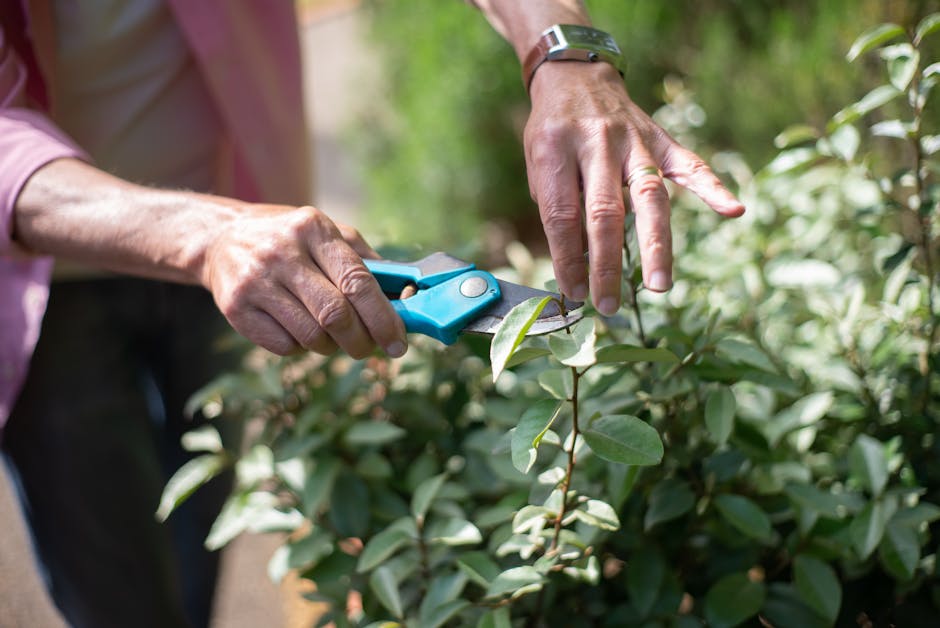
Why TW9 terrace garden maintenance tips for Richmond gardeners Matters
A terrace garden is not just a smaller version of a larger garden. It behaves differently. The surfaces dry out faster, wind can whip through more aggressively, and containers need far more regular checking than planted borders in the ground. In TW9, where many gardens are enclosed by walls, fences, or neighbouring buildings, conditions can shift from sunny and sheltered to chilly and draughty in the space of an afternoon.
That matters because the whole feel of a terrace depends on consistency. One neglected week can mean dead patches, blown-over pots, algae on paving, or weeds sneaking into joints. If you've ever looked out one Monday and thought, "How did it get like this so quickly?", you're not alone. Small gardens are honest like that.
Good maintenance also protects the structure of the space. Terrace gardens often combine paving, timber, planters, railings, screening, and vertical planting. If drainage is poor or plants are left to sprawl, problems travel fast. Moisture stains, slippery paths, root damage, and cluttered sightlines can all creep in. Regular upkeep keeps the garden attractive and safer to use.
For Richmond gardeners, there's also a lifestyle angle. A neat terrace can become a reading corner, an outdoor dining spot, a play space, or a calm place to decompress after work. That makes maintenance less of a chore and more of an investment in how you live at home. If you're thinking beyond the terrace itself, a broader garden maintenance service in Richmond can be useful for keeping the whole outdoor space coordinated.
How TW9 terrace garden maintenance tips for Richmond gardeners Works
Terrace garden maintenance works best when it follows a simple cycle: inspect, clean, cut back, feed, water, and reset. The order matters less than the habit. What you want is a repeatable system that keeps small issues from turning into weekend-consuming headaches.
Start with what is easiest to see. Are pots drying out unevenly? Is one plant shading another? Is wind knocking over the lighter containers? Are paving joints collecting moss or self-seeded weeds? Terrace gardens usually reveal problems at eye level and foot level before they show up anywhere else. That's handy, if slightly annoying.
Then move into the practical maintenance layers:
- Surfaces: sweep, wash, and clear leaves or pet debris.
- Planting: deadhead, prune, thin, and replace tired specimens.
- Containers: check drainage holes, soil level, and pot stability.
- Watering: adjust for heat, shade, and rainfall rather than sticking to a rigid routine.
- Structure: inspect trellis, screening, edging, railings, and planters for wear.
On a terrace, maintenance is also about balance. Overcrowding can make the space feel lush for a week or two, then suddenly claustrophobic. Underplanting can make it look bare and uninviting. The sweet spot is somewhere in the middle: enough greenery for softness and privacy, but enough breathing room for air movement and easy access.
If you're using climbers, screens, or feature planting to shape the space, it helps to draw on ideas from vertical gardening for wall spaces and pretty pergola ideas for outdoor spaces. Those approaches work especially well when square footage is tight.
Key Benefits and Practical Advantages
There's a reason well-kept terrace gardens feel easier to enjoy. The benefits are practical first, beautiful second, and then somehow both at once.
- Better plant health: regular pruning, watering, and feeding keeps containers and climbers from slipping into decline.
- Less mess: routine sweeping and deadheading reduce debris, slick surfaces, and that slightly neglected look.
- More usable space: a tidy terrace is more likely to be used for coffee, dinner, work, or quiet time.
- Improved privacy: maintained screening plants and climbers stay dense rather than patchy.
- Lower replacement costs: looking after containers, compost, and irrigation usually saves money over time.
- Safer underfoot: less moss, fewer loose pots, and better drainage all help prevent slips and damage.
There's another benefit people often miss: maintenance helps you notice what your garden wants. A slight yellowing leaf, a pot that dries faster than the others, a patch of wind scorch, a vine leaning away from the wall-these are small signals, but they add up. The more often you check in, the more the terrace starts to make sense.
That's also why compact schemes often work best when they're planned around lower-fuss planting. If you want a less demanding setup, budget-friendly garden ideas for easy upkeep can help you think in terms of simple, durable choices rather than high-maintenance drama.
Who This Is For and When It Makes Sense
This advice is for anyone maintaining a terrace garden in TW9, but it becomes especially useful if your space has one or more of these features:
- lots of containers rather than open soil
- shared walls, railings, or fences
- limited sunlight or strong reflected heat
- frequent wind exposure
- a mix of hard landscaping and planting
- small children, pets, or regular entertaining use
It also makes sense if your terrace garden has drifted a bit. Maybe the pots are still there, but some are half-empty. Maybe there's ivy becoming a little too ambitious. Maybe the space looks fine from inside the house but needs proper attention once you step out there. That's a very normal situation.
If you're just starting out, the basics matter most: choose reliable containers, understand how much sun the terrace gets, and don't overload it with thirsty plants you won't realistically water every day. For newer gardeners, these beginner gardening tips are still surprisingly relevant on a terrace.
And if your terrace is becoming more of a layered outdoor room than a planting bed, it can help to think in terms of use. Is it for dining, relaxing, growing herbs, hiding a view, or all four? Once that's clear, maintenance decisions get much easier. Honestly, that one question saves a lot of faffing about.
Step-by-Step Guidance
1. Start with a realistic site check
Walk the terrace slowly and note sun, shade, wind, drainage, and access. Look at what changes after rain and what dries out first on warm days. A west-facing terrace may bake in the afternoon, while a shaded courtyard can stay damp longer than expected. Both need different care.
2. Clear out the obvious clutter
Remove dead foliage, broken canes, collapsed supports, faded labels, cracked pots, and anything that no longer has a role. A clean surface instantly makes the garden feel larger. It also shows you what's hiding underneath. If you've got a tired terrace that needs a proper reset, the approach in this neglected garden makeover guide is a useful mindset.
3. Deal with weeds before they root properly
Weeds on terraces usually appear in paving gaps, planter edges, or the quiet corners where debris gathers. Remove them early. If they're left to settle in, they become stubborn, and not in a charming way. A quick routine on a dry day is usually enough to stay ahead.
4. Refresh containers
Top up compost, remove spent annuals, and cut back straggly growth. Check whether roots are crowded. If water runs straight through a pot or pools on top, the compost may be tired or compacted. In that case, repot or at least refresh the top layer. For more on the practical side of pots and compact spaces, see container gardening ideas.
5. Prune with purpose
Trim plants to keep pathways open and light flowing. Don't clip everything into submission. The aim is shape, airflow, and healthy growth, not a botanical buzz cut. Remove dead, damaged, or crossing stems first, then tidy the outline.
6. Feed and mulch where it helps
Terrace containers use up nutrients quickly. A slow-release feed or a regular liquid feed can help, depending on what you're growing. Light mulches on top of pots can reduce moisture loss, but don't bury stems. In small spaces, a little goes a long way.
7. Water with judgement
Water deeply enough to reach roots, but don't keep the compost constantly soggy. Most terrace gardens do better with thorough watering less often than with a few splashes every day. Herbs, bedding plants, and climbers each have different needs, so group them sensibly if you can.
8. Inspect supports and screening
Check trellis, wires, pergolas, fencing, and planter fixings. This is especially important after windy weather. A container full of top-heavy growth can shift more than you'd expect. If your terrace uses climbing plants for privacy, the advice in evergreen climbers for shade and fast-growing hedges for privacy can help you choose plants that do the job properly.
9. Finish with a reset
Sweep the hard surfaces, straighten furniture, and re-space pots so the terrace feels intentional. That final visual tidy is often what makes the whole area feel calm again. Small garden, big difference.
Expert Tips for Better Results
Here's where experience tends to save time. These are the little things that make maintenance easier month after month.
- Use fewer, better containers. A terrace with six stable, well-chosen pots often looks better than one crammed with fifteen mismatched ones.
- Choose plants for the terrace first, not the catalogue. Wind-tolerant, compact, and container-friendly plants usually outperform showy but fragile choices.
- Group plants by watering needs. It sounds obvious, but it reduces missed care and overwatering. Which, let's face it, happens to all of us sometimes.
- Keep a spare bag of compost and a small feed kit. Replenishing a pot is much easier when supplies are already to hand.
- Lift containers occasionally. It helps you spot waterlogging, root issues, and stains beneath the base.
- Use evergreen structure sparingly. A couple of well-placed evergreens give the terrace form through winter without making it feel heavy.
- Plan for the wind. On exposed terraces, heavier planters, tighter staking, and lower-profile plants are often smarter than trying to fight the site.
If you enjoy herbs, they're a brilliant terrace choice because they are useful, fragrant, and easy to refresh. A kitchen-facing terrace works particularly well with thyme, rosemary, sage, and mint in controlled pots. For a more detailed approach, growing your own herb garden is worth a look.
You can also make a terrace feel more restful by echoing the style used in a soothing zen garden or by borrowing layout ideas from a cosy seating haven. Maintenance becomes easier when the design is simple in the first place. That's the secret, really.
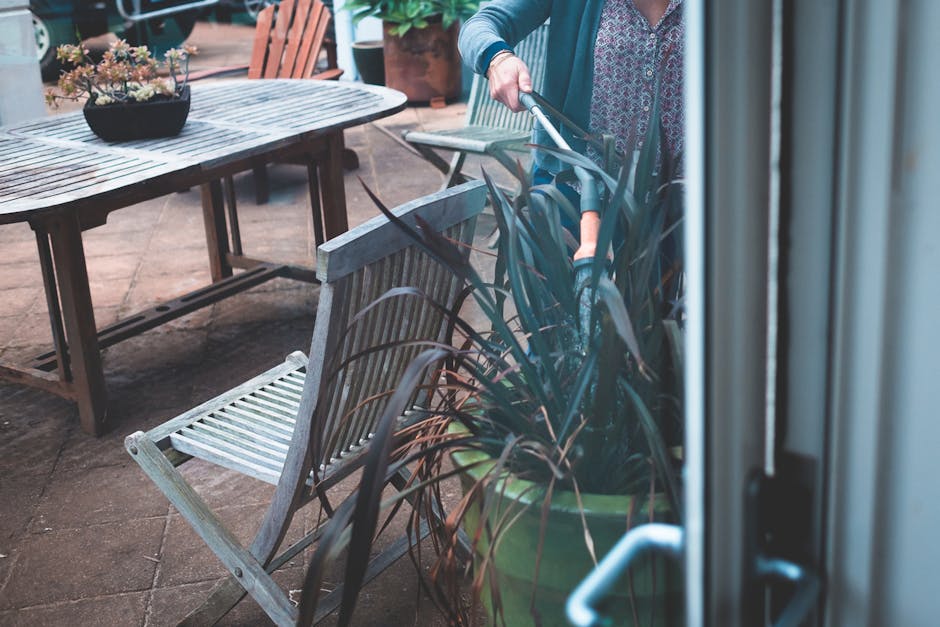
Common Mistakes to Avoid
Most terrace garden problems come from enthusiasm, not neglect. A lot of people start with too much planting, too much furniture, or too many ambitious ideas at once. Then the maintenance load creeps up and the terrace begins to feel awkward.
- Overpotting the space: too many containers create clutter and make watering harder.
- Using the wrong compost: poor-quality or tired compost drains badly and weakens plants.
- Ignoring drainage: terrace gardens need proper drainage, or roots can suffer quickly.
- Letting climbers take over: vigorous growth looks lovely until it blocks light, doors, or gutters.
- Pruning at the wrong time: some plants react badly if cut too hard or too late in the season.
- Forgetting winter exposure: containers on a terrace can freeze harder than ground-level planting.
- Skipping surface care: a beautiful planting scheme won't compensate for slippery, stained paving.
One of the biggest mistakes is assuming that because the garden is small, it will be easy. In practice, small gardens often need more attention per square metre. The upside is that each task is quicker. The downside is that nothing hides for long. Fair trade, perhaps.
Another common one is planting for looks only. A terrace with fragile, thirsty, high-maintenance plants may look stunning for two weeks and then become exhausting. That's why practical planting choices matter so much in Richmond's urban terraces, where conditions can swing quite a bit.
Tools, Resources and Recommendations
You do not need a shed full of kit to maintain a terrace garden well. A compact set of reliable tools usually does the job. If your current kit is a bit random, start with the basics and build from there.
- hand trowel and hand fork
- lightweight secateurs
- stiff brush or outdoor broom
- watering can or hose with a gentle rose
- gloves with decent grip
- small pruning saw for woody stems
- spare ties, clips, and canes for support
- multipurpose compost and a suitable feed for container plants
For a more complete overview of what actually earns its keep, essential gardening tools is a handy reference.
It can also be sensible to keep an eye on hard landscaping. If your paving is becoming slippery or stained, a deep clean can make a bigger difference than adding another plant ever will. In that case, patio cleaning in Richmond can support the wider maintenance routine. And if your terrace includes timber elements, decking services in Richmond may be relevant when boards, supports, or finishes need attention.
For plant choice and layout inspiration, terrace gardeners often do best with a mix of structure and softness: climbers for height, herbs for scent, compact shrubs for year-round form, and perhaps a few low ground-level plants to soften the edges. If you're trying to cover awkward corners or reduce upkeep, ground cover plants for UK gardens can help with ideas that stay manageable.
Law, Compliance, Standards, or Best Practice
For most home terrace gardens, the main point is not legal complexity but sensible best practice. That said, a few standards of care matter in real life.
If your terrace garden is shared, rented, or attached to communal property, check permissions before attaching trellis, drilling into walls, or installing fixed structures. In shared housing or flats, the boundary between "my terrace" and "shared fabric" can be a bit murky, so it is worth confirming responsibilities before making changes. No one enjoys undoing a job later.
Safety matters too. Heavy pots should be placed where they are stable and not likely to topple in wind. Trailing cables, uneven paving, and overgrown planting can all create trip hazards. If children or pets use the space, keep poisonous plants, sharp tools, and unstable containers out of easy reach. For households with pets, pet-friendly gardening ideas are worth reading before you choose plants or layout.
Best practice in terrace maintenance also includes responsible green waste handling. Composting when possible, separating woody waste, and reusing healthy plant matter where appropriate can reduce disposal needs. If you want a more sustainability-led approach, turning organic waste into nutrient-rich soil is a useful way to think about it.
And if the terrace has mature climbers or nearby trees affecting light and structure, professional pruning or tree care may be the safer option. Overgrowth close to walls, gutters, or roofs can become a maintenance issue faster than people expect.
Options, Methods, or Comparison Table
There is no single correct way to maintain a terrace garden. The right method depends on how much time you have, how exposed the space is, and how formal you want it to look. Here's a simple comparison that may help.
| Approach | Best for | Maintenance level | Notes |
|---|---|---|---|
| Container-only terrace | Very small spaces, renters, flexible layouts | Medium to high | Easy to rearrange, but needs frequent watering and feeding. |
| Mixed planting and hardscape | Most TW9 terraces | Medium | Balances structure and greenery, but needs regular sweeping and pruning. |
| Screened retreat style | Privacy-focused gardens | Medium | Great for shade and seclusion, though climbers and hedging need trimming. |
| Low-maintenance minimalist terrace | Busy households or second homes | Low | Fewer plants, fewer chores, more reliance on durable materials and form. |
For many Richmond homes, the second option is the sweet spot. It gives enough greenery to feel alive without demanding constant intervention. If privacy is part of the brief, screening plants or shaped hedging can help, and the article on creative hedge trimming styles shows how neat structure can be used without making things too rigid.
Case Study or Real-World Example
Imagine a modest TW9 terrace with a paved floor, a brick side wall, two lightweight chairs, and a cluster of containers that started as a neat collection and gradually became "a bit much." A fragrant climber is trying to do its own thing, herbs are drying unevenly, and one pot by the railing keeps falling over on windy days.
The first fix is not buying more plants. It is removing the obvious clutter, grouping containers by water need, and replacing the flimsy pot with something heavier and lower. Then the climber gets a proper support line rather than being left to flop. After that, the terrace feels less crowded, the watering becomes simpler, and the whole space stops looking like it is in a mild argument with itself.
That sort of reset often brings the biggest improvement. A homeowner might have spent weeks thinking the problem was the plants, when actually the issue was layout, weight, and maintenance rhythm. Once those are corrected, the garden becomes far less needy. And yes, usually a lot more enjoyable too.
If the terrace has gone past the point of quick fixes, it may help to rebuild it from the ground up. A fresh start can work wonders, especially when you pair it with practical ideas from budget-friendly garden ideas and a more deliberate seating layout.
Practical Checklist
Use this as a simple seasonal maintenance check. It is not fancy, but it works.
- Check pots for cracks, wobble, and poor drainage
- Remove dead leaves, spent flowers, and fallen debris
- Water containers deeply and adjust for weather
- Feed hungry plants during active growth
- Trim back overgrown stems and climbers
- Sweep paving and clear slippery patches
- Inspect railings, trellis, and supports
- Refresh compost where it has become tired or compacted
- Pull weeds from joints and planter edges
- Re-space pots so air and light can move through the terrace
- Check for pests on the undersides of leaves and in dense growth
- Protect vulnerable plants before cold snaps
A useful rule of thumb: if something takes less than ten minutes, do it immediately rather than "saving it for later." Later has a habit of arriving with interest.
Conclusion
Terrace garden maintenance in TW9 is really about rhythm, not perfection. Keep the space clean, keep the planting balanced, and keep an eye on what changes after wind, rain, and heat. Do that consistently and your terrace will feel calmer, healthier, and much easier to enjoy through the seasons.
The best TW9 terrace garden maintenance tips for Richmond gardeners are usually the practical ones: thoughtful watering, light pruning, tidy surfaces, stable containers, and plant choices that suit the real conditions of the space. Nothing glamorous, perhaps. But very effective. And in a small Richmond terrace, effective is what you want.
If you're ready to improve a terrace that has become a bit hard to manage, now is a good time to take the next step and get expert help where it matters most.
Get a free quote today and see how much you can save.

Leveraging her extensive experience, Sheila offers a plethora of landscaping and gardening services as a seasoned professional in the field. Moreover, she showcases his writing skills, particularly in Eco-friendly gardening subjects.