Richmond Hill front garden makeover ideas from local gardeners
Posted on 11/10/2026
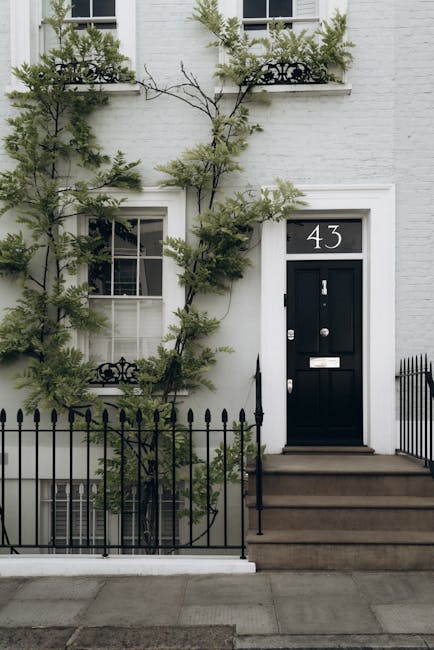
If your front garden has started to feel more "afterthought" than welcome mat, you are not alone. In Richmond Hill, a front garden does a lot of heavy lifting: it shapes first impressions, softens brickwork, frames the house, and can make a small plot feel much more intentional. The best Richmond Hill front garden makeover ideas from local gardeners are rarely about flashy changes. They are about smart layout, resilient planting, tidy structure, and that slightly elusive sense of balance. Truth be told, a well-made front garden often looks effortless because the planning behind it was anything but.
In this guide, we'll walk through practical ideas that work for real homes, real budgets, and real British weather. You'll find planting suggestions, hard landscaping advice, privacy options, maintenance tips, a comparison table, and a checklist you can actually use. If you want a makeover that looks good in January as well as June, you're in the right place.
Why Richmond Hill front garden makeover ideas from local gardeners Matters
A front garden isn't just decorative. It affects how you arrive home, how visitors experience the property, and how much day-to-day upkeep you take on. In Richmond Hill, where homes often benefit from character features, varied frontage widths, and a mix of sun and shade, a front garden makeover needs to be both attractive and practical. That's where local gardeners tend to add real value: they understand the quirks of the area, from exposed corners that catch wind to narrow plots that need depth rather than clutter.
A good makeover also solves common pain points. Maybe the garden is overrun with weeds, the path is cracked, the hedge has grown awkward, or the whole space feels tired by mid-autumn. Maybe you want more privacy without making the frontage feel closed off. Or perhaps you want a cleaner, greener look that doesn't demand half your weekends. A thoughtful redesign can address all of that at once.
There's another reason it matters: front gardens are highly visible, and that can make them feel oddly daunting. You see them every day. So any design mistake is repeated daily too. Local gardeners usually start with the basics: structure, access, planting rhythm, and a realistic maintenance plan. If the design doesn't suit your life, it won't last. Simple as that.
For homeowners who are starting from scratch, it can help to look at a wider garden reset first. A resource like how to tackle a neglected garden makeover can be a useful companion piece when your front boundary needs more than a tidy-up.
How Richmond Hill front garden makeover ideas from local gardeners Works
Most front garden makeovers follow the same broad pattern, even if the final style changes. Local gardeners usually begin by assessing the space as a working entrance, not just a planting bed. That means checking the route from gate to door, the amount of light, how much soil is available, where rainwater collects, and whether any existing features should stay, move, or go.
From there, the work is usually broken into layers:
- Clear the space: remove weeds, dead growth, rubbish, old edging, and anything structurally weak.
- Shape the layout: decide where borders, paths, pots, screening, and focal points should sit.
- Improve the base: sort soil, drainage, mulch, and hard surfaces before planting.
- Add structure: use hedges, edging, small trees, fences, trellis, pergolas, or low walls.
- Plant for the site: choose plants that suit shade, wind, exposure, and the level of care you want to give.
- Finish with maintenance logic: make sure the final design is easy to water, prune, and keep tidy.
The best front garden makeovers also consider the seasons. A space that looks good for six weeks and then disappears into mud is, let's face it, not much of a win. Local gardeners tend to build in evergreen structure, durable surfacing, and planting that still has texture in winter. If you want a garden that feels alive but not chaotic, that balance is the trick.
For planting around walls and fences, it can be worth studying evergreen climbers for shade and ideas for vertical greenery. If the frontage has awkward edges or bare patches, ground cover plants for UK gardens can soften hard lines and reduce weed pressure.
Key Benefits and Practical Advantages
There are plenty of cosmetic benefits, of course, but a front garden makeover should do more than look nice. The strongest designs bring together visual appeal, useful function, and lower maintenance. That's the sweet spot.
- Better kerb appeal: a well-ordered frontage immediately improves the look of the property.
- Clearer structure: paths, borders, and screening make the space feel deliberate rather than leftover.
- Less maintenance stress: choosing the right plants and materials reduces weekend upkeep.
- More privacy: hedges, trellis, and layered planting can soften views into the house.
- Improved drainage and cleanliness: sensible surfacing and planting can reduce puddling and mud.
- Stronger biodiversity: even small changes can support pollinators and birds.
- Better year-round appearance: evergreen structure keeps the garden from going bare in colder months.
A quieter but important advantage is how much calmer the entrance feels. A messy front garden can add visual noise before you even step inside. A tidy one feels like a pause. A small breath. That matters more than people think.
If budget is part of the brief, there are ways to make changes in phases rather than all at once. The article on budget-friendly garden ideas for easy upkeep is especially helpful if you want a fresh look without overcommitting from day one.
Who This Is For and When It Makes Sense
Front garden makeovers are not just for people planning a complete redesign. They make sense for a wide range of homeowners and landlords, especially when the frontage is functional but uninspiring. You might be a good fit if:
- the garden looks tired, patchy, or overgrown;
- you want a more welcoming entrance;
- you need privacy from the road or passers-by;
- you are dealing with weeds, ivy, or messy edging;
- your current layout is hard to maintain;
- you want to improve the property's appearance before selling or letting;
- you have a small front garden and want it to feel bigger;
- you simply want to enjoy looking at the space again.
It also makes sense if the garden has become a problem area. Sometimes the issue is not style at all, but congestion: the hedge is too high, the path is slippery, the border is unmanageable, or the whole thing is blocked by self-seeded growth. In those cases, a makeover starts with removal and recovery, not planting. A guide such as permanently removing ivy can be a useful reference when clinging growth is damaging brickwork or swallowing borders.
If you're not sure where to start, think about the season and what you need most. Winter may reveal structure problems more clearly. Spring may expose gaps in planting. After a windy spell, you might notice sheltered spots that need sturdier choices. Local gardeners tend to read the site that way, and honestly, that practical eye makes all the difference.
Step-by-Step Guidance
Here's a sensible way to approach a front garden makeover without getting overwhelmed. You do not need to do everything in one weekend. In fact, please don't. That rarely ends well.
1. Start with a site audit
Walk the front garden slowly and note what works and what doesn't. Look at light, shade, drainage, privacy, access, and the visual line from street to door. If the front door is hidden, or the path feels pinched, that becomes a design priority.
2. Clear and simplify
Remove clutter, dead shrubs, broken containers, and any edging that's doing more harm than good. If there's a mix of half-finished jobs, bring the space back to a blank but workable state. This is often when the garden starts to feel bigger.
3. Decide on the main function
Ask yourself what the garden should do first. Is it mainly decorative? Does it need privacy? Should it be easy-care? Do you want planting, seating, storage, or all three? A front garden that tries to do everything without hierarchy can look muddled.
4. Choose one dominant style
Pick a clear direction: modern and minimal, soft and cottage-like, structured and evergreen, or wildlife-friendly and relaxed. The style should suit the house. A crisp frontage can suit sharp hedging and architectural pots, while a more traditional home often benefits from layered planting and softer edges.
5. Build structure first
Local gardeners usually put hard structure in before planting. That might mean new edging, a small path refresh, raised beds, fencing, or a low hedge. If you're considering screening, fast-growing hedges for privacy are worth exploring, but only if you can commit to proper trimming and root-aware placement.
6. Add planting in layers
Use the classic layering approach: taller shrubs or hedges at the back, mid-height perennials in the middle, and low ground cover at the front. Containers can break up flat spaces and bring colour near the entrance. If the frontage gets little soil, container gardening ideas can bring flexibility without major groundwork.
7. Finish with mulch and maintenance access
Mulch suppresses weeds, supports moisture retention, and makes beds look finished. Just make sure there's enough access to water and prune later. A makeover that cannot be maintained becomes a future headache. Nobody needs that.
8. Review after the first season
Front gardens often reveal themselves properly only after a few months. Something may get too much sun, or a plant may spread more than expected. That's normal. A good design adapts. It is not carved in stone.
Expert Tips for Better Results
Local gardeners tend to lean on a few principles that sound simple but save a lot of trouble later.
- Use repetition: repeat one or two plants, materials, or shapes so the design feels calm.
- Keep the entrance obvious: the route to the door should read clearly, even from the pavement.
- Choose plants for the site, not the photo: a plant that looks lovely in full sun may sulk in shade.
- Think in winter first: if it still has bones in January, you're onto something.
- Control edges early: neat edging instantly makes a space look better, even before planting matures.
- Mix textures, not chaos: broad leaves, fine foliage, hard surfaces, and soft planting can work together if used sparingly.
- Allow breathing room: crowded front borders can look expensive for a month and messy forever after.
If your plot feels exposed to weather, it's worth building resilience into the planting plan. Richmond Hill can get its share of gusty days, so a design that ignores wind will struggle. That is where managing excessive wind in your garden becomes more than a side note. Likewise, for homes that face strong rain, frost, or odd temperature swings, shielding your garden from extreme weather can help guide plant choice and placement.
One practical tip that gets overlooked: choose at least one feature you can enjoy in the first week, not only after the plants mature. A fresh path, a smart pot, or a crisp hedge line gives you an immediate win. It helps. Quite a lot, actually.
Common Mistakes to Avoid
Front garden makeovers are easy to overcomplicate. The most common mistakes are usually not dramatic; they're just small misjudgements that pile up.
- Planting too densely: everything looks sparse at first, so people cram plants together. Then the space closes in.
- Choosing high-maintenance plants for a low-maintenance brief: beautiful, yes. Practical, maybe not.
- Ignoring the entrance path: the route to the door should not feel like an afterthought.
- Using too many materials: mixed paving, mixed edging, mixed pot styles... the effect can become noisy.
- Overlooking drainage: soggy front beds and muddy access are annoying and avoidable.
- Leaving old problems in place: if ivy, weeds, or failing fencing remain, the makeover often looks half-done.
- Forgetting the house itself: the garden should complement the architecture, not compete with it.
Another big one: not planning maintenance. A frontage that needs weekly sculpting might be fine for some people, but most of us want something manageable. If weed control has become part of the issue, it is worth looking at effective strategies for managing weed growth before the garden starts swallowing itself again.
And if the garden is overgrown enough that you cannot see the bones of it, take the long view. Sometimes the most elegant makeover begins with removal, not with buying more plants. A practical first step can be easier to live with than a grand design that never quite happens.
Tools, Resources and Recommendations
You do not need a van full of kit to improve a front garden, but the right tools make the work cleaner and safer. A few essentials go a long way.
- Secateurs and loppers: for trimming shrubs, deadheading, and general cutting back.
- Spade and fork: useful for border work, soil improvement, and lifting plants.
- Hand rake and hoe: ideal for weeding and tidying around edges.
- Measuring tape and string line: helpful when setting out paths or symmetrical borders.
- Wheelbarrow or trug: makes clearance and mulch work much easier.
- Gloves and eye protection: worth using whenever you're dealing with thorny or woody growth.
- Pruning saw: useful for thicker stems and older shrubs.
Before buying anything, it helps to know what you're working with. A good design brief usually includes measurements, photos in daylight, notes on shade and moisture, and a rough idea of what you want the garden to feel like. If you're unsure about scope, essential gardening tools and an initial tidy-up often reveal more than another hour of guessing.
For people who want a greener, more climate-conscious garden, even modest changes matter. Composting, drought-tolerant planting, and reducing hard-to-manage lawn edges can all help. If that interest is growing, gardening to fight climate change is a thoughtful read that ties the bigger picture to everyday garden choices.
And if your front garden needs a proper reset after years of neglect, it can be worth looking at professional gardening services for the initial clear, redesign, or planting stage, especially if the job is bigger than a weekend project.
Law, Compliance, Standards, or Best Practice
Front garden work is often straightforward, but there are still a few sensible checks to keep in mind. In the UK, front gardens can be affected by property boundaries, shared access, visibility at entrances, drainage, and, in some cases, trees or hedges that sit close to neighbours or pavements. If you are altering boundaries, removing substantial trees, or changing hard surfaces significantly, it is wise to check what applies before you start.
Local best practice usually means making sure the design does not block sightlines, create trip hazards, or shed water onto neighbouring land. If you are adding fencing, hedge screening, or new levels, it is worth planning access and maintenance from the outset. That includes thinking about how a hedge will be trimmed in future, not just how it looks on installation day.
Safety also matters. Use ladders carefully, wear gloves and eye protection, and do not rush pruning or clearance work in poor weather. If you need professional support, a company with clear policies around health and safety, insurance and safety, and fair customer care is usually a good sign. It is also sensible to review terms and conditions, privacy policy, cookie policy, and payment and security information if you are arranging work online.
For homeowners comparing contractors, transparency helps. Clear pricing, a reasonable scope, and open communication usually matter more than glossy promises. If the job involves hedge reshaping, a dedicated hedge trimming Richmond service may be the right fit, especially when the front boundary needs precision rather than a quick hack with shears.
Smaller jobs can be handled through regular upkeep too. A scheduled garden maintenance Richmond visit can keep planting, edging, and tidying under control once the makeover is complete.
Options, Methods, or Comparison Table
Not every front garden needs the same approach. Some work better with strong structure; others suit softer planting. Here's a simple comparison to help you choose.
| Method | Best for | Pros | Trade-offs |
|---|---|---|---|
| Evergreen structure | Year-round neatness, privacy, defined borders | Reliable appearance, strong framework, good in winter | Can feel formal if overused; needs pruning |
| Soft planting layers | Traditional or cottage-style fronts | More colour and movement, attractive to pollinators | Requires more seasonal care and thinning |
| Container-led design | Small or paved frontages | Flexible, easy to refresh, less digging | Needs watering and feeding; can dry out quickly |
| Low-maintenance hard landscaping | Busy households, rental properties | Clean, practical, easy to keep tidy | Needs careful design so it does not feel stark |
| Boundary screening | Homes needing privacy from the road | Useful visual buffer, softer than walls alone | Can require ongoing trimming and space |
Choosing between these often comes down to lifestyle. If you travel a lot, containers plus a few evergreen anchors might be enough. If you enjoy gardening on weekends, layered borders can be hugely satisfying. And if you want the frontage to feel like a gentle transition rather than a showpiece, simple paving and a well-clipped hedge can be enough on their own.
For people exploring wider outdoor improvements alongside the front garden, landscaping Richmond can tie paths, borders, and boundaries together, while patio cleaning Richmond can refresh nearby hard surfaces so the whole entrance feels consistent.
Case Study or Real-World Example
A typical Richmond Hill front garden we see in practice might start with a narrow frontage, a tired hedge, several weeds pushing through old edging, and a path that feels slightly forgotten. Not broken, just uninspiring. The owner wants something welcoming but not high-maintenance, and they also want more privacy from the street.
The makeover approach could be simple but effective:
- clear out old weeds and weak growth;
- reduce the hedge to a tidy, maintainable height;
- repair or replace edging so the borders read clearly;
- add a narrow gravel or paved strip for cleaner access;
- plant evergreen shrubs at the back for structure;
- use low ground cover at the front to reduce bare soil;
- place two large containers near the entrance for seasonal interest;
- mulch the beds and finish with a neat sweep of the path.
The result is usually not dramatic in a loud way. It is better than that. The garden feels calmer, the entrance reads more clearly, and the house itself stands out more. In the first few weeks, it may even smell a bit earthy and fresh after the mulch goes down. Small detail, but it matters.
If a front garden has been buried under years of growth, the first phase can feel a bit like archaeology. You find the path, then the shape, then the actual design. That's normal. A tidy plan beats a rushed flourish every time. If you need help with the first clear-out, a professional team that also understands lawn care Richmond and related frontage work can help keep the whole entrance coherent, not just one patch of it.
Practical Checklist
Use this checklist before you start any Richmond Hill front garden makeover.
- Assess sun, shade, wind, drainage, and access.
- Decide what the garden must do: privacy, style, low maintenance, or all three.
- Clear weeds, dead plants, and old clutter.
- Check paths, edging, and boundary condition.
- Choose one main style and stick to it.
- Pick a limited plant palette for a calmer finish.
- Include evergreen structure for winter interest.
- Use containers if the space is small or hard to dig.
- Mulch bare soil to reduce weeds and improve the finish.
- Plan future maintenance now, not later.
- Review safety, access, and any boundary considerations.
- Take before photos so you can see what really changed.
If you tick most of those boxes, you're already ahead of the game. Not glamorous, maybe. But it works.
Conclusion
The best Richmond Hill front garden makeover ideas from local gardeners are the ones that respect the way people actually live. They look good from the street, feel welcoming at the door, and stay manageable after the excitement of the first week has passed. That means clear structure, thoughtful planting, tidy boundaries, and a plan that suits your time, not just your taste.
If your front garden is currently a bit patchy, that does not mean it needs a total rebuild. Sometimes it just needs clearer lines, better plants, a cleaner surface, or a stronger sense of purpose. A modest makeover can change the whole tone of a property. You notice it every time you come home. So do your neighbours, quietly.
Get a free quote today and see how much you can save.
And if you are still deciding, take a walk outside this evening and look at the garden from the pavement. That one viewpoint often tells the truth better than any plan sketch ever will.

Leveraging her extensive experience, Sheila offers a plethora of landscaping and gardening services as a seasoned professional in the field. Moreover, she showcases his writing skills, particularly in Eco-friendly gardening subjects.