George Street small garden solutions for Richmond gardeners
Posted on 19/10/2026
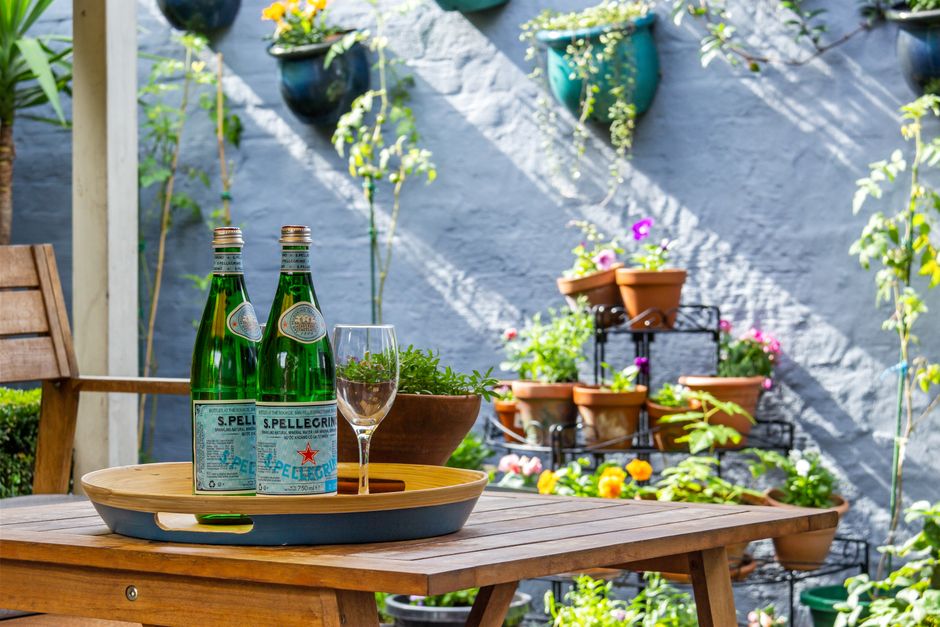
If you are working with a compact outdoor space on George Street, you already know the challenge: every square metre has to earn its keep. That might mean creating privacy without boxing the garden in, fitting in somewhere to sit, and still leaving room for planting that feels alive rather than crowded. The good news? George Street small garden solutions for Richmond gardeners can be practical, beautiful, and surprisingly flexible when they are planned well.
This guide walks through the real decisions that matter in a small Richmond garden: layout, planting, storage, privacy, weather protection, and the little maintenance habits that stop a tidy space turning into a job you keep putting off. We will keep it grounded, local, and realistic. No miracle makeovers. Just the sort of ideas that actually work when the garden is narrow, shaded in places, or overlooked by neighbouring homes. And yes, there is still room for character.
You will also find useful internal reads for related ideas, such as container gardening inspiration and vertical gardening for wall space, both of which fit naturally into the small-garden mindset.
Why George Street small garden solutions for Richmond gardeners matters
Small gardens can be deceptively demanding. On George Street, as in many Richmond streets, outside space often needs to do more than one job at once. It might need to be a breakfast spot, a children's play patch, a place for herbs, a dog-friendly run, and a screen from next door. That is a lot to ask from a limited footprint.
What makes this topic important is not simply size. It is the combination of pressure points: overlooked boundaries, awkward side returns, narrow proportions, shade from nearby trees or buildings, and the need to keep maintenance manageable. A small garden can look cluttered fast if you add the wrong features. But with the right structure, it starts to feel generous. Strange, but true.
Richmond gardeners tend to value balance: somewhere attractive to sit, planting that survives the seasons, and a layout that does not become high-maintenance. That is why a smart small-garden approach matters so much. It protects light, creates calm, and helps the space feel considered rather than cramped. If you are starting from a neglected patch, you may also find this neglected garden makeover guide useful for shaping the early stages.
There is also a longer-term angle. A compact garden with layered planting, better soil, and fewer hard-to-manage corners can be kinder to wildlife, easier to water, and less wasteful overall. For many householders, that is not a bonus; it is the whole point.
How George Street small garden solutions for Richmond gardeners works
The basic idea is simple: instead of trying to make a small garden behave like a large one, you design it to work with its limits. That means making deliberate choices about height, depth, movement, and storage. In small gardens, every element needs a reason for being there.
The process usually starts with a clear assessment. Where does the sun land during the day? Which boundary feels exposed? Is the garden being visually cut in half by a path or random objects? Once you know that, you can build the garden in layers:
- Structure: fencing, screens, trellis, slim planting beds, or a small pergola to define the space.
- Softening: climbers, shrubs, ground cover, and seasonal flowers to stop the hard edges dominating.
- Function: a compact seating area, storage bench, raised planter, or narrow lawn alternative.
- Movement: clear paths and logical access so the garden feels easy to use.
That layered approach is what makes the garden feel bigger. Your eye travels upward and outward rather than stopping at the first obstruction. A small seating corner under a pergola, for example, can create the feeling of a proper outdoor room. If that idea appeals, take a look at pretty pergola ideas to update your outdoor space for inspiration that suits compact layouts too.
Planting is part of the system, not an afterthought. A good small-garden design often uses fewer species, repeated in a deliberate pattern, so the eye gets rhythm instead of noise. That is often much calmer than trying to squeeze in every plant you like. To be fair, we have all done that at some point.
Key benefits and practical advantages
Done well, a compact Richmond garden can be easier to live with than a bigger one. Not because there is less to look after forever, but because the right choices reduce friction. That is the real win.
- Better use of space: vertical planting, slim borders, and multi-purpose features make the garden feel larger.
- Lower maintenance: fewer awkward corners and less lawn usually means less weeding, edging, and general faff.
- Improved privacy: selective screening can block views without making the area feel shut in.
- More seasonal interest: layered planting keeps the space interesting even in winter.
- Stronger usability: a tiny garden becomes somewhere you actually sit in, not just look at through the window.
There is also a subtle psychological benefit. A small garden that feels organised and intentional tends to get used more. People put the kettle on, step outside with a book, or leave the back door open a bit longer on a mild evening. Little moments, but they matter. You notice them.
For households balancing budget and upkeep, it is worth exploring budget-friendly garden ideas for easy upkeep. That sort of planning often pays off quickly because it avoids overcomplicated layouts and expensive mistakes.
Another advantage is flexibility. Small gardens can be redesigned in phases, so you do not need to commit to a full overhaul at once. A boundary screen this month, a container run next month, and then perhaps a seating area after that. It is less dramatic, but often more realistic.
Who this is for and when it makes sense
This approach is ideal if your garden is compact, awkwardly shaped, heavily overlooked, or simply underused. It is also a good fit if you want a neat finish without having to spend every weekend maintaining it.
You may benefit most if you are:
- a homeowner with a narrow or shallow rear garden;
- a tenant or landlord looking for low-disruption improvements;
- someone who wants a private sitting area without hard landscaping taking over;
- a family needing safe, open space for children or pets;
- a keen gardener who wants more planting impact from less ground area;
- someone returning to a neglected garden and not quite sure where to start.
It also makes sense when the garden is already full of "almost solutions" - a tiny shed that eats light, a patch of lawn that never really thrives, a fence that feels bare, or a shady area that nothing seems to like. Those are not failures. They are just design clues.
If your small garden has a pest or weed issue, the right foundation matters even more. A useful companion read is effective strategies for managing weed growth, because a tidy surface layer is only half the job if the roots beneath are still competing.
And if you are not sure whether to do it yourself or bring in help, ask one practical question: do you want a quick tidy-up, or do you want a space that genuinely changes how you use the garden? That answer usually makes the choice clearer.
Step-by-step guidance
Here is a sensible way to approach a small George Street garden without overthinking it. Simple first, clever second.
-
Map the space honestly.
Measure the usable areas, not just the whole plot. Note shade, damp patches, and where the view feels weakest. In a small garden, a half-metre can matter more than you expect.
-
Decide on the main job.
Choose the top priority: relaxing, entertaining, planting, privacy, child play, or low-maintenance simplicity. Trying to make one tiny space do everything usually ends up as none of them done well.
-
Set the structure.
Use fencing, trellis, seating, a narrow path, or a raised edge to create order. If the perimeter feels tired, boundary work can transform the whole look. A service like fencing Richmond can help establish a cleaner frame when the existing boundary is part of the problem.
-
Build upward.
Use climbers, wall planting, and trellis rather than filling the floor with everything. That frees up movement and gives the garden a layered feel. It also suits shaded or narrow plots really well.
-
Choose plants with restraint.
Repeat a few reliable plants instead of mixing too many. In small spaces, repetition creates calm and makes the planting look more mature. If you need ideas, ground cover plants for UK gardens can be a smart way to soften edges without adding clutter.
-
Add one strong focal point.
A pot cluster, a bench, a small water feature, or a sculptural plant can anchor the whole garden. One focal point is enough. Two, sometimes. Six? That is how small gardens start muttering at you.
-
Finish with maintenance logic.
Make sure watering, pruning, and access are realistic. If you cannot reach the back of a bed easily, it will frustrate you later. Design for the life you actually have.
A practical build sequence can be very calming: clear, repair, define, plant, then decorate. That order avoids expensive rework. It also helps you see progress, which is half the motivation in a smaller garden.
Expert tips for better results
A few small decisions can make a big difference in a compact space. These are the kinds of details that tend to separate a decent result from a really good one.
- Keep the palette tight. Two or three main materials usually look better than five. For example, timber, planting, and gravel can feel elegant without trying too hard.
- Use height as a tool. Tall plants or trellis at the boundary draw the eye up, which makes the garden feel less flat.
- Protect the garden from harsh exposure. If George Street faces wind or sudden weather changes, use planting and screening to calm the space. managing excessive wind in your garden is worth reading if your plants keep looking rough around the edges.
- Plan for winter as well as summer. A beautiful small garden that disappears for five months is not ideal. Evergreen structure helps. So does a sensible seating corner that still feels pleasant on a bright February day.
- Leave breathing space. Empty space is not wasted space. In a compact garden, it is often what makes everything else look intentional.
One of the nicest tricks is to create "visual distance". That means arranging features so the eye does not stop at one boundary. A narrow path, a staggered planter line, or a layered screen can make the garden feel deeper than it is. Not magic. Just good arranging.
If you want a calmer atmosphere rather than a busy one, take a look at creating a soothing zen garden. The thinking behind that style works especially well where space is limited and clutter is the enemy.

Common mistakes to avoid
Small gardens are unforgiving in a few predictable ways. The good news is that the common mistakes are fixable if you spot them early.
- Overfilling the space: too many pots, too many features, and too many plant varieties can make the garden feel busy rather than lush.
- Ignoring access: if you have to step around everything, maintenance becomes a chore and the garden stops being relaxing.
- Choosing large plants without checking mature size: what looks dainty in a nursery pot may become a bully in eighteen months.
- Using lawn where it does not earn its keep: a tiny patch of grass may be more work than value, especially if shade or footfall is an issue.
- Forgetting boundaries: a tired fence or wall can dominate the whole view in a small garden.
- Not planning for water runoff or damp: compact spaces often suffer from soggy corners. That is annoying and can affect plant health quickly.
Another frequent slip is treating a small garden as if it must be "done" all at once. It does not. Some of the best results happen in stages, because each step teaches you something about the space. A little patience saves a lot of regret later.
And yes, oversized furniture is a classic mistake. That lovely outdoor sofa you saw online? In real life it may eat the whole patio and leave you nowhere to put your tea.
Tools, resources and recommendations
You do not need a shed packed with gear to improve a small Richmond garden. You do need the right basics and a sensible plan for using them.
Useful tools for compact garden work often include:
- sharp hand pruners for tidy cuts and quick maintenance;
- a light spade or border fork for smaller beds;
- a watering can or hose attachment that reaches awkward corners;
- gloves with a decent grip, especially when working around thorny or damp plants;
- a hand trowel, fork, and slim weeding tool for tight spaces;
- containers or planters that are easy to move when you want to refresh the layout.
If you want a useful overview of equipment basics, essential gardening tools for the passionate outdoor aficionado is a good companion piece.
For planting strategy, container gardening is often one of the smartest resources for small gardens because it gives you flexibility. You can change height, mood, and layout without digging up the whole space. That is especially handy if the garden needs to be family-friendly, pet-safe, or rented short term. You can also pair it with growing your own herb garden if you want something productive and pretty at the same time.
Another practical recommendation is to build in composting or soil improvement where you can. Healthy soil means better water retention and stronger growth. The article on transforming organic waste into nutrient-rich soil is particularly useful if you want a more sustainable routine.
For ongoing care, a simple maintenance rhythm beats occasional heroic effort. A quick tidy every week or two keeps small spaces presentable and prevents that slightly neglected look that sneaks up on you on a rainy Thursday morning. It happens.
Law, compliance, standards and best practice
Small garden work is usually straightforward, but a few common-sense standards still matter. If you are making changes near boundaries, trees, shared fences, or drainage points, it is sensible to check what is already in place before removing anything. That is especially true where mature planting or neighbour-facing structures are involved.
In practice, best behaviour on a street like George Street means keeping noise, waste, and access in mind. Garden waste should be handled responsibly, tools should be used safely, and any work near public-facing edges should avoid obstructing pathways or creating trip hazards. If contractors are involved, it is wise to expect clear communication, sensible scheduling, and proper care around your property.
If the work includes pruning or tree-related decisions, it is usually better to use a cautious approach rather than a dramatic one. Trees and hedges can recover from light, well-timed maintenance much more easily than from heavy cuts made without a plan. You can also read about fast-growing hedges for privacy if your small garden needs screening that grows into the background rather than taking over.
For any service provider you choose, basic trust signals matter: clear pricing, understandable terms, insurance awareness, and a proper safety policy. Those are not just admin details. They tell you whether the work is being handled with care. If you are comparing providers, it can help to review pricing and quotes, along with insurance and safety and health and safety policy information.
Best practice, in plain English: protect the garden, protect the boundary, and do not rush the details.
Options, methods and comparison table
There is no single best approach for every compact garden. The right choice depends on whether you want a softer look, more privacy, less work, or a stronger entertaining space. Here is a simple comparison to help.
| Method | Best for | Strengths | Trade-offs |
|---|---|---|---|
| Container gardening | Flexibility and seasonal change | Easy to move, good for renters, simple to refresh | Needs watering and occasional repositioning |
| Vertical planting | Very narrow or shaded gardens | Saves floor space, adds height and depth | Can dry out faster; structure must be sturdy |
| Small seating zone | Social use and everyday relaxation | Makes the garden usable, creates a destination | May reduce planting area if oversized |
| Boundary screening | Privacy and visual calm | Blocks overlooked views, frames the space | Needs careful height and maintenance choices |
| Low-maintenance planting | Busy households | Less weeding, easier upkeep, cleaner look | Can feel plain if not layered well |
In many cases, the best answer is a hybrid. For example, a small seating zone plus vertical planting plus a few containers gives you function, greenery, and flexibility. That combination works particularly well where the garden needs to feel private but not closed in.
Case study or real-world example
Imagine a narrow Richmond back garden off George Street: a modest paved area, a tired fence, one patch of straggly lawn, and not much else. It is the sort of space people describe as "fine, but nothing special". That usually means there is potential hiding in plain sight.
A practical redesign might begin by removing the visual clutter and deciding that the garden's main job is relaxed sitting with low-maintenance planting. The boundary is then strengthened with a clean fence line and a few climbers for softness. A compact bench or bistro set goes near the best light. The lawn is reduced or replaced with a simpler surface if it is not performing well. Containers and wall planting then bring the space alive without using too much floor area.
What changes most is not just appearance. The whole pace of the garden changes. Instead of a patch you pass through, it becomes a place you use. By late afternoon, it feels sheltered and calm. In the evening, the boundary planting softens the edges and the seating area feels like its own little room. That is the kind of result small-garden planning should aim for.
If the garden starts from a more difficult state, a broader reset may help. A guide like start your neglected garden makeover gives a good sense of how to approach a blank or overgrown site without making it feel overwhelming.
We have seen many small gardens improve most when one decision is made early: stop trying to squeeze in everything. The space often looks better when it has room to breathe. Funny how that works, really.
Practical checklist
Use this before you begin, or when you are reviewing an existing setup.
- Have you identified the garden's main purpose?
- Have you measured the usable space, not just the boundary lines?
- Do you know where the sun, shade, and damp spots are?
- Have you chosen one clear focal point?
- Does the layout allow easy walking and maintenance access?
- Are the boundary treatments tidy and in proportion to the space?
- Have you used height to create depth?
- Are your plant choices realistic for light, shelter, and upkeep?
- Have you allowed for storage without crowding the garden?
- Does the design still feel good in winter, not just in June?
If you can tick most of those off, you are in good shape. If not, no drama - it just means the plan needs tightening up.
Expert summary: The most effective small garden solutions are rarely the flashiest ones. They are the ones that make the space easier to use, easier to maintain, and calmer to look at every single day.
Conclusion
George Street small garden solutions for Richmond gardeners are all about making a limited space feel deliberate, useful, and genuinely pleasant to spend time in. That might mean better structure, smarter planting, cleaner boundaries, or simply learning to leave a bit of breathing room where it counts.
There is no need to treat a small garden as a compromise. With the right mix of planning and restraint, it can become one of the nicest parts of the property - private enough to relax in, attractive enough to show off, and simple enough to keep under control. That is a pretty good outcome for a modest patch of ground.
If you are ready to improve the space properly, start with a clear plan, honest priorities, and a design that suits everyday life rather than an idealised picture. A garden that works hard for you, quietly and well, is usually the one people enjoy most.
Get a free quote today and see how much you can save.
And if you are still weighing things up, that is fine too. A thoughtful garden grows better when the plan is thoughtful as well.

Leveraging her extensive experience, Sheila offers a plethora of landscaping and gardening services as a seasoned professional in the field. Moreover, she showcases his writing skills, particularly in Eco-friendly gardening subjects.